
What if the fish does not return? Strategical alignment for future growth
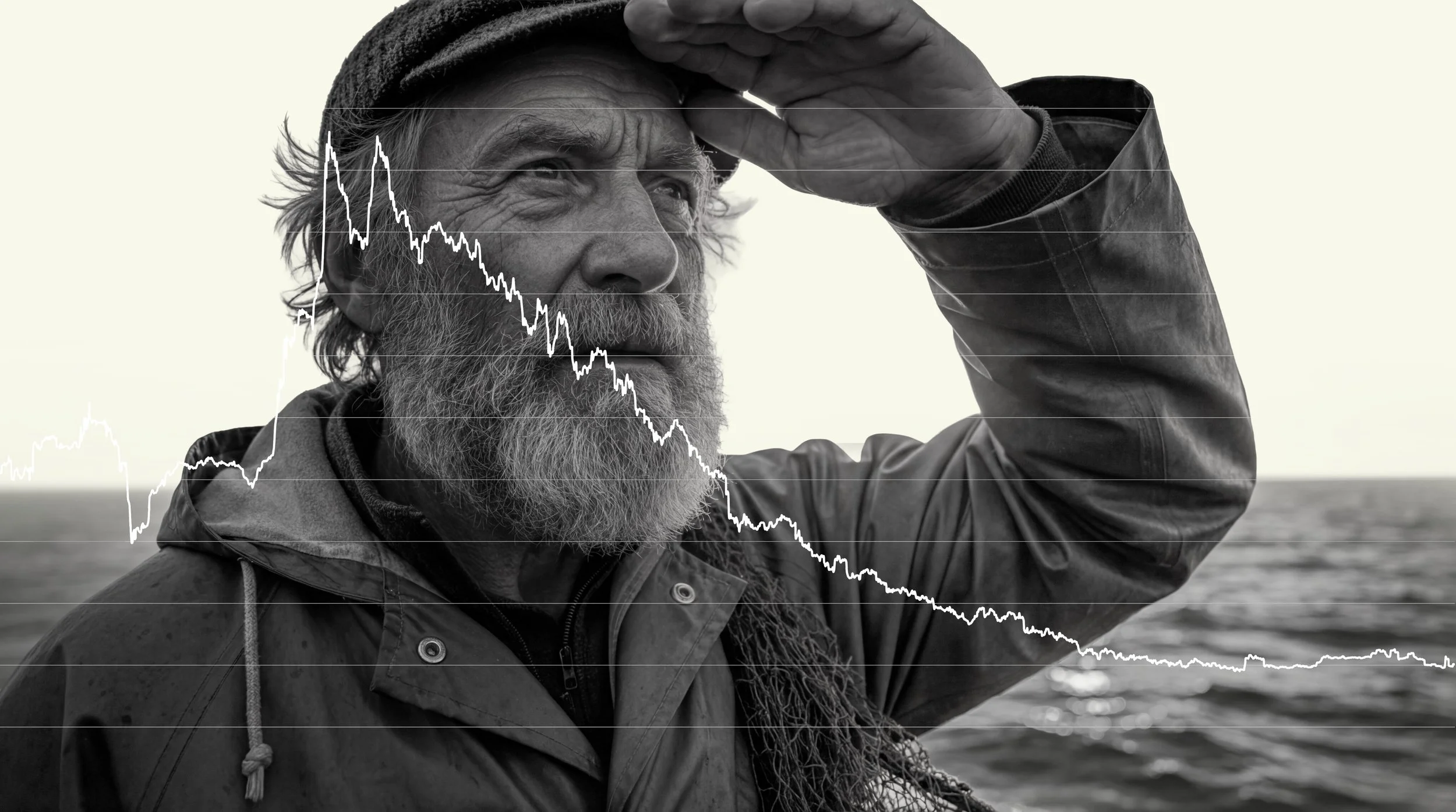
Current economic environment feels as if everything is stuck — everyone around you is waiting for a better moment, a more favourable sign, a return to normality? Is it worth staying on hold as well, or is it time to take the reins into your own hands?
Nordic folk wisdom says that the wise do not rush and that patience pays off. In our harsh climate, caution has been an important survival tactic, deeply embedded in our business culture as well. Just like people, companies choose to wait for conditions to improve, for a more favourable environment to emerge. Summer will bring tourists again, the recession will soon be over, the war will end. There are no fish right now — no point in going out to sea.
But what if the fish do not come back at all, if the situation does not improve on its own? Cost-cutting and waiting can help survive a temporary downturn, but in a fundamentally changed reality they offer no remedy. This is when better outcome depends on your actions.
This advice itself is familiar one — every successful entrepreneur talks about how they did something new or focused on a single activity to succeed. Yet it is very difficult to recognise the signs of future success in one’s own situation. So how does the courage emerge to invest in things you have not done before, or have not seen work in your own context?
No one needs to be convinced to trust familiar, proven methods. You set the nets in the morning and take the fish out in the evening. You make a hundred sales calls and close ten deals. You run a discount campaign and clear the stalled stock. Actions with longer-term impact, where uncertainty is greater — product development, positioning, branding — are postponed until “conditions improve.” We are naturally sceptical, inclined to trust what we have experience with. As one factory manager aptly put it in a private conversation: “I understand you, but the others on the board are like coastal fishermen — they only do things where they see money immediately.”
Such scepticism will certainly not be overcome overnight. Every new approach takes time to get used to, and every company’s story differs in its details. Still, every company can make an internal decision to do everything within its power to improve the situation.
Unlike conventional goal-setting, strategic alignment means making a conscious decision about a favourable future position (customer–value–market) and then directing resources toward occupying that position.
First, you can focus on what already works. Serve those who value you and do more of what they value you for. By letting go of complex and ambiguous customer relationships, products, or functionalities, you free up time to offer more to those who appreciate you — and to do more of the things that are seen as valuable.
Second, do something exceptionally well. By raising the bar for yourself and stopping activities you are not good at, you begin to stand out. Mediocrity is expensive — it requires constant justification and discounting.
Third, be memorable and distinctive. When you know what you are good at and who needs you, your task is to make yourself known and relevant to them. Visibility is not a one-off campaign, but a consistent presence in the minds of the people who need you. Out of sight means out of mind.
Fourth, choose the right market. If you serve local customers, be the best at serving them. If your growth is limited by the small number of local customers, it is time to expand your reach. A market is where transactions happen, not simply where people are.
When we see new and fresh competitors that seem to appear overnight and offer a completely different level of quality, it is often not because they are geniuses with endless resources. In reality, they are ordinary people who decided to present a clear offer to the market — one thing, for a clearly defined customer, at the right time and in the right form.
This is not frantic flailing, but strategically aligned use of resources — and in any case far more sensible than sitting on the shore and waiting for the fish to return to our beach.
If you want to work through this framework in the context of your own situation, please get in touch!